Blackfriars Bridge wedding flowers guide for local couples
Posted on 18/09/2026
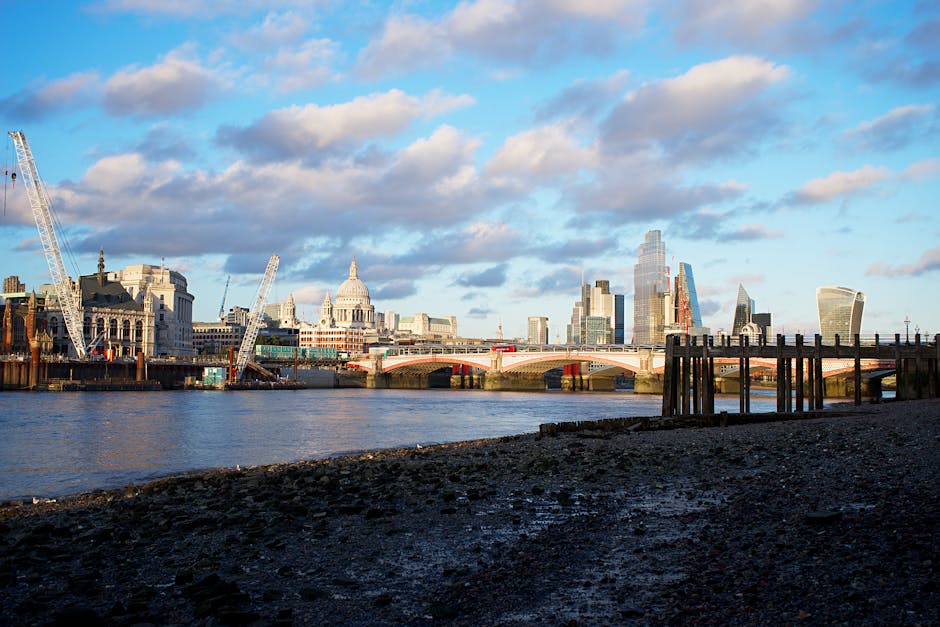
If you are planning a wedding near Blackfriars Bridge, the flowers are doing more than looking pretty in photos. They set the tone the moment guests arrive, soften a modern venue, tie your outfit details together, and make a city-centre celebration feel personal rather than rushed. This Blackfriars Bridge wedding flowers guide for local couples is here to help you make decisions with confidence, whether you are planning an intimate registry-style ceremony, a relaxed riverside reception, or a bigger London celebration with a lot of moving parts.
Truth be told, wedding flowers can become one of those parts of the day that seems simple at first and then suddenly has ten layers: season, colour palette, venue light, transport, timing, bouquet size, buttonholes, table design, and what happens if the weather turns a bit grey and moody, as London sometimes likes to do. Below, you will find a clear, practical guide to choosing the right blooms, ordering with less stress, and avoiding the mistakes that catch couples out. Nothing fancy for the sake of it. Just useful guidance, properly grounded.
Table of Contents
- Why Blackfriars Bridge wedding flowers guide for local couples Matters
- How Blackfriars Bridge wedding flowers guide for local couples Works
- Key Benefits and Practical Advantages
- Who This Is For and When It Makes Sense
- Step-by-Step Guidance
- Expert Tips for Better Results
- Common Mistakes to Avoid
- Tools, Resources and Recommendations
- Law, Compliance, Standards, or Best Practice
- Options, Methods, or Comparison Table
- Case Study or Real-World Example
- Practical Checklist
- Conclusion
- Frequently Asked Questions
Why Blackfriars Bridge wedding flowers guide for local couples Matters
Blackfriars Bridge sits in a part of London that feels distinctly urban: busy roads, strong architecture, quick transport links, river light, and venues that often lean contemporary rather than rustic. That matters more than people expect. Wedding flowers in this area need to work with the surroundings, not fight them. A bouquet that looks lush and romantic in a country barn can feel oddly heavy beside glass, steel, stone, and traffic movement. The right design bridges that gap nicely. Pun intended, sorry.
For local couples, flowers are not just decorative. They help define the guest experience. A carefully chosen bridal bouquet can soften a sharp city silhouette; a simple table arrangement can make a compact reception room feel inviting; and buttonholes, corsages, and ceremony stems can create visual continuity without overloading the day. If you are marrying near the river or close to one of the business-district venues, the floral brief usually needs a bit of discipline. The good news? That discipline is exactly what makes the result feel elegant.
There is also a practical side. Local couples often have tighter schedules, more transport coordination, and less room for last-minute drift. When your florist understands the Blackfriars area and the rhythm of central London delivery, there is less guesswork. That can be a huge relief in the final week, when you are already juggling fittings, guest lists, and the usual wedding admin avalanche.
Expert summary: Flowers for a Blackfriars Bridge wedding should feel polished, city-friendly, and easy to manage on the day. The best designs balance style with practicality, especially for transport, timing, and venue layout.
How Blackfriars Bridge wedding flowers guide for local couples Works
At a practical level, planning wedding flowers in this part of London usually starts with three things: the venue, the season, and your budget. Those three choices shape almost everything else. From there, you decide what role flowers will play in the day. Are they the main visual feature, or are they there to support the overall styling quietly and elegantly?
The process is usually simpler when broken into stages. First, you identify your main floral needs: bridal bouquet, bridesmaid bouquets, buttonholes, ceremony flowers, table arrangements, and any extra pieces like flower petals or a floral arch. Then you decide on the style direction. Some couples prefer soft whites and greens for a classic London wedding look. Others choose romantic pastels, moody purples, or a bolder colour mix that feels lively against the river backdrop.
After that, a florist will normally help you match flower choices to your wedding timeline. For example, some blooms hold up beautifully through a full day of photos, hugs, and transport between venue spaces, while others are more delicate. In real life, that matters. A bouquet that looks lovely at 10 a.m. but droops by 4 p.m. is not much use, however pretty it seemed in the shop.
If you are ordering from a local Blackfriars florist, it is worth asking about wedding-specific collections and products. For example, pages such as wedding flowers collection, bridal bouquets, bridesmaid bouquets, and wedding buttonholes show the kind of coordinated pieces many couples need for a cohesive look.
Key Benefits and Practical Advantages
Good wedding flowers do more than fill space. They solve problems. They make an unfamiliar venue feel warm, help photographs look finished, and create visual consistency across people, tables, and ceremony spaces. If you are planning locally around Blackfriars Bridge, there are some specific advantages to keeping your flower plan focused and intentional.
- They suit the setting: Central London venues often look best with refined arrangements rather than oversized displays that compete with the architecture.
- They save time on the day: A clear floral plan reduces the chaos of deliveries, setup, and last-minute reshuffling.
- They help with cohesion: Matching bouquet tones, buttonholes, and table flowers gives the whole wedding a calm visual thread.
- They improve photos: Flowers add softness, depth, and colour contrast in city venues where backgrounds can be fairly hard and graphic.
- They can be budget-smart: A small number of well-chosen arrangements often has more impact than scattering the budget too thinly.
Another practical benefit is flexibility. Local couples can often work with florists who understand nearby delivery routes, loading access, and the realities of central London timing. That sounds boring until the florist is trying to arrive at the same time as every other supplier in the postcode. Then it suddenly becomes very important.
For couples watching costs, there are also ways to make flowers stretch further without looking cheap. Choosing a strong bridal bouquet and smaller supporting pieces can be better than trying to cover every surface. You may also find that carefully selected seasonal options feel more natural and look more luxurious than forcing exotic stems into a short notice schedule.
Who This Is For and When It Makes Sense
This guide is especially useful if you are:
- getting married near Blackfriars Bridge or in nearby central London venues
- planning a civil ceremony, registry-style wedding, or city reception
- wanting local delivery and less logistical stress
- trying to balance style with a sensible budget
- looking for wedding flowers that feel elegant, modern, and not overdone
It also makes sense if you are the kind of couple who does not want to spend weeks comparing every possible bloom under the sun. Let's face it, some people adore flower spreadsheets. Others would rather leave the exact stem selection to someone who knows their way around a bridal bouquet. Both approaches are fine. What matters is having a plan that suits your comfort level.
If you are still early in the process, the guide is helpful for deciding whether you want full-service wedding floristry or a simpler package built around a few essential pieces. A couple with a small guest list and a weekday ceremony may only need a bouquet, buttonholes, and one or two display arrangements. A larger celebration may need a fuller floral scheme with table styling, bridesmaid bouquets, and bespoke centrepieces.
In practice, the ideal level of floristry depends on the venue and the feel you want. A riverside room at sunset can sometimes need only a few well-placed arrangements to feel complete. At 3 p.m., with pale winter light coming through tall windows, you may want more texture and warmth. Timing matters. It really does.
Step-by-Step Guidance
1. Start with the venue and the photos you want
Begin by looking at the actual space. Is it bright, dark, spacious, compact, formal, or quite stripped back? Flowers should answer the room, not just match a Pinterest board. If your venue already has strong features, such as exposed brick, polished surfaces, or river views, keep the floral design focused. If the room is plain, flowers can do more of the heavy lifting.
2. Choose a colour story before choosing individual flowers
A colour palette makes decisions much easier. White and green gives you a classic, elegant feel. Blush, cream, and pale peach creates softness. Deep reds or purples feel richer and more dramatic. Mixed colours can be joyful and modern if they are handled with restraint. Once you know the palette, flower selection becomes less overwhelming.
3. Decide on the hero pieces
Not every floral element needs equal attention. Most couples benefit from defining one or two hero pieces. Often that means the bridal bouquet and the ceremony display. If those are strong, the rest can be simpler and still feel balanced. For many weddings, that is the smart move. A lovely bouquet and a thoughtful table arrangement beat ten half-formed ideas every time.
4. Match stems to season and durability
Some flowers are more forgiving than others. Roses, lisianthus, orchids, hydrangeas, carnations, alstroemeria, and chrysanthemums are commonly used in weddings because they can suit a range of styles and hold up well when handled properly. Of course, the exact choice depends on the design and timing, but the principle is simple: choose flowers that can survive travel, waiting, and a lot of attention. Weddings are not gentle environments.
5. Build in delivery and setup timing
For a Blackfriars Bridge wedding, timing needs to be realistic. Central London traffic, loading restrictions, and venue access windows can all affect delivery. A florist should plan around that properly. If they are not asking about arrival times, room access, and who will receive the flowers, that is a small warning sign. Not a crisis, just a nudge to ask more questions.
6. Confirm who is handling each item on the day
Know who is taking the bouquet, placing the buttonholes, setting the tables, and moving flowers after the ceremony if needed. Clear ownership matters. It removes last-minute confusion and keeps the day calm. And calm is worth a lot.
7. Review the final order in writing
Before the wedding, make sure the agreed items, colours, quantities, delivery details, and any substitutions are written down clearly. If a flower becomes unavailable, you want the replacement approach to be understood in advance. This is one of those unglamorous steps that saves a lot of stress later on.
Expert Tips for Better Results
Here is where a few practical florist habits make a real difference. Nothing dramatic, just the things that separate a smooth floral plan from a slightly frazzled one.
- Keep the bouquet in proportion to the dress. A slim silhouette usually suits a lighter bouquet. A fuller gown can carry a larger, more textured design.
- Use texture as well as colour. Mixing shapes makes arrangements look more layered and expensive, even when the palette is simple.
- Think about the journey. Flowers may travel from home, hotel, ceremony venue, and reception space. They need to hold up across all of it.
- Ask for one "backup-friendly" option. A florist can often suggest stems or designs that are easier to substitute if a specific flower is unavailable.
- Do not overlook smaller details. Buttonholes, corsages, and table touches can quietly pull the whole look together.
One useful trick is to request a bouquet that photographs well from more than one angle. Wedding photos are not one-dimensional, obviously, but people sometimes plan flowers as if only the front view matters. A bouquet that looks awkward from the side can be surprisingly noticeable in close-up shots.
Another tip: if your venue is modern and quite neutral, lean into elegance rather than fighting it with too many competing colours. A white bridal bouquet with soft green foliage can feel incredibly right in a city setting. Simple does not mean plain. Not at all.
Common Mistakes to Avoid
Even well-organised couples can trip up on wedding flowers. These are the most common problems to watch for.
- Choosing flowers before choosing the venue: The room should influence the style.
- Ignoring the day's logistics: Long walks, stairs, lifts, traffic, and tight loading windows all affect delivery and setup.
- Over-ordering decorative pieces: It is easy to buy too many arrangements and spread the budget thin.
- Forgetting buttonholes and bridesmaid pieces: These smaller items matter more than people think.
- Picking delicate blooms without checking durability: Gorgeous on the table, less gorgeous after a hot taxi ride.
- Leaving colour decisions too late: Your palette should be settled early enough for the florist to source well.
A less obvious mistake is assuming all wedding flowers are interchangeable. They are not. A florist may suggest a particular bouquet style because it works with your setting, your season, and the way the flowers need to be carried or photographed. That advice is worth listening to, even if your original idea sounded lovely in your head. Happens all the time.
Another one: forgetting the human side. Your bouquet should feel comfortable to hold. Your buttonhole should sit neatly. Your table flowers should not block conversation. Beautiful, yes. But usable too.
Tools, Resources and Recommendations
You do not need a mountain of tools, but a few simple resources make planning much easier.
- Venue photos: Use these to judge the room's scale, brightness, and existing colours.
- Inspo images: Save examples of bouquet shapes, not just flower names. Shape matters.
- A guest list draft: Helpful for estimating buttonholes, corsages, and table counts.
- Outfit details: Share dress, suit, and accessory colours so flowers can be coordinated properly.
- Delivery notes: Keep timing, contact numbers, and venue access details in one place.
If you want to explore wedding-specific products and complementary options, the local collection pages are a useful starting point. The coordinated wedding range on the I Cherish You wedding collection, White Wonders wedding collection, and Pure Romance wedding collection can help you compare different tones and levels of formality.
For individual pieces, couples often look at bridal bouquets, bridesmaid bouquets, groom buttonholes, and wedding table arrangements to build a complete plan without overcomplicating things.
If you are unsure where to begin, a florist-led approach is often the easiest route. You can also browse the main wedding flowers Blackfriars EC4 page for a broader view of what is available locally, then narrow it down from there.
Law, Compliance, Standards, or Best Practice
Wedding floristry is not heavily regulated in the way some other services are, but there are still sensible best practices that matter, especially in central London. Venue rules, delivery access, packaging disposal, and setup timing should all be checked carefully. Some venues are strict about supplier arrival windows, load-in points, and whether freestanding installations can be used. That is normal, not a problem, but it does need to be planned for.
If flowers will be delivered to a hotel, office building, or shared venue near Blackfriars Bridge, it is wise to confirm the exact name for the booking, the contact person, and whether reception will accept the flowers in advance. Simple, but it prevents awkward phone calls on the morning of the wedding. Nobody wants that.
Best practice also means clear communication on substitutions. Seasonal availability changes, and a reputable florist will usually propose alternatives if a chosen bloom is unavailable. The key is transparency. If you have a strong preference for a certain flower, say so early. If you are flexible, say that too. That makes the process smoother for everyone.
For care and handling, flowers should be kept in appropriate conditions before use, with clean water where needed and protection from heat or direct sun. That is standard florist practice and especially important if arrangements are being collected rather than delivered. If you are collecting items yourself, ask how best to transport them. It is a small question with a big payoff.
Options, Methods, or Comparison Table
Most local couples end up choosing one of three floral approaches. Here is a simple comparison to help you decide what fits your wedding day best.
| Approach | Best for | Strengths | Watch-outs |
|---|---|---|---|
| Minimal essentials | Small ceremonies, tighter budgets, registry weddings | Simple, elegant, easy to manage, lower stress | Can feel sparse if the venue is very plain |
| Balanced wedding package | Most local couples wanting a polished look | Good mix of bouquet, buttonholes, and table flowers; strong visual impact | Needs clear prioritising so costs do not creep up |
| Full floral styling | Larger receptions, design-led venues, statement weddings | Highly cohesive, immersive, photograph-friendly | More planning, higher budget, more delivery coordination |
A balanced package is often the sweet spot for Blackfriars Bridge weddings. It gives you enough flowers to feel complete without turning the day into a logistics puzzle. Full styling can be wonderful, of course, but only if you genuinely want that level of detail and have the space for it.
Case Study or Real-World Example
Imagine a couple marrying on a Friday afternoon near Blackfriars Bridge. They want a modern, tidy look, not a lavish garden explosion. Their venue has clean lines, lots of natural light, and a reception room that already feels quite polished. Rather than filling the space with many separate arrangements, they choose a soft white and green scheme with a handful of purposeful pieces: a structured bridal bouquet, two bridesmaid bouquets, buttonholes for the wedding party, and elegant table arrangements for the dining area.
The floral look works because it respects the room. The bouquets do not fight the setting. The table flowers are low enough for easy conversation. The buttonholes are simple but smart. Most importantly, the setup is manageable because delivery is timed around the venue's access window, so there is no panic when the day gets busy and the streets around the bridge are doing their usual London thing.
What made this approach feel successful was not extravagance. It was clarity. The couple knew what they wanted their guests to feel: calm, modern, and a little romantic. The flowers supported that mood without becoming the main event. That is often the sweet spot for city weddings, to be fair.
Practical Checklist
Use this checklist in the final planning stage. It keeps the flower side of the wedding feeling organised rather than vague.
- Confirm the venue address and exact delivery instructions
- Check whether there are stairs, lifts, or loading restrictions
- Finalise your colour palette
- Decide which pieces are essential and which are optional
- Choose your bouquet style and approximate size
- Confirm bridesmaid bouquets, buttonholes, and corsages
- Agree table arrangements and any ceremony flowers
- Ask about seasonal substitutions
- Confirm who will receive the flowers on the day
- Review the final written order before the wedding
- Ask how to store or transport flowers if you are collecting them
- Keep the florist's contact details handy
If you can tick off those points, you are in a strong position. Not perfect, perhaps. But very much under control, which is what most couples are really aiming for.
Conclusion
Planning wedding flowers near Blackfriars Bridge is not about buying the most flowers. It is about choosing the right flowers for the setting, the season, and the shape of the day. When you get that balance right, everything feels easier: the photos, the pacing, the ceremony space, even the walk from one part of the venue to the next. Good flowers quietly hold the whole day together.
For local couples, the smartest approach is usually the one that combines style with practicality. Keep the palette focused, plan around the venue, and choose arrangements that can travel well and photograph beautifully. If you do that, you will end up with wedding flowers that feel thoughtful rather than overworked. And honestly, that kind of calm elegance tends to age better in the memory too.
Get a free quote today and see how much you can save.
When the plans start to feel a bit much, remember that the best wedding flowers are not the loudest ones. They are the ones that feel like you, right there in the middle of a London day.
Frequently Asked Questions
What flowers are best for a Blackfriars Bridge wedding?
Roses, lilies, orchids, lisianthus, alstroemeria, carnations, hydrangeas, and chrysanthemums are all common choices because they work well in many styles and usually travel reliably. The best option depends on your colour palette, season, and how formal the wedding feels.
How far in advance should I order wedding flowers?
It is sensible to start early, especially if you want a specific style or a coordinated wedding package. That gives the florist time to plan availability, discuss substitutions, and align delivery with your venue schedule. Leaving it too late can narrow your options quite a bit.
Can I keep my wedding flowers simple and still make an impact?
Yes, absolutely. A strong bridal bouquet, a few buttonholes, and one or two carefully chosen arrangements can look elegant without feeling sparse. In city venues, simple often looks very polished.
Should my flowers match my dress exactly?
Not exactly. They should complement the dress and overall look rather than copy one shade rigidly. Matching too closely can flatten the design. Soft contrast usually photographs better.
What should local couples ask their florist before booking?
Ask about delivery timing, setup support, substitution policy, seasonal availability, collection options, and whether they have experience with city-centre venues. Those questions tell you a lot about how smoothly the day is likely to run.
How do I choose flowers for a modern London venue?
Look at the venue's lines, colours, and lighting. Modern spaces often suit clean arrangements, structured bouquets, and a refined palette. You can still go romantic, just keep the design intentional rather than overly busy.
Are seasonal flowers better for weddings?
Usually, yes. Seasonal flowers often look fresher, feel more natural, and are easier to source well. They can also be better value in many cases, though exact pricing depends on the design and availability.
Do I need flowers for bridesmaids and groomsmen too?
Not always, but coordinated bouquets and buttonholes help the whole wedding party look cohesive. If your budget is tight, focus on the bridal bouquet and a few key pieces first, then add extras if there is room.
How can I keep wedding flower costs under control?
Choose a clear colour palette, prioritise essential pieces, and avoid spreading the budget across too many small arrangements. A focused design usually looks better than a diluted one. There is a sweet spot, and it is rarely "more is more."
What if a flower I want is unavailable?
A good florist should suggest a substitute that keeps the spirit of the design intact. That is normal in wedding work. Ask in advance how substitutions are handled so you are not surprised later.
Can wedding flowers be delivered directly to a venue near Blackfriars Bridge?
Often, yes, but the exact delivery setup depends on the venue's access rules and who is available to receive them. Always confirm the name, timing, and contact details ahead of time so nothing gets lost in the shuffle.
What is the easiest bouquet style to manage on the day?
A medium-sized bouquet with a secure handle and durable stems is usually the easiest to carry and photograph. If you are nervous about comfort, ask for something balanced rather than oversized. Your hands will thank you later.
Should I reuse ceremony flowers for the reception?
In many cases, yes. Reusing flowers can be a smart way to stretch the budget and make the most of the arrangements you have already chosen. Just make sure someone is assigned to move them, because flowers do not relocate themselves. Sadly.
Are there wedding flower options that suit both photos and conversation?
Definitely. Low table arrangements, compact centrepieces, and bouquets with layered texture work well because they look good in photos without blocking faces or conversation. That balance matters more than people realise.